Pitch & Weather — the leading indicator for fantasy selection
The venue read matters more than form. The pitch desk tracks surface behaviour, boundary size, average scores, dew forecast and wind for every IPL 2026 venue, with a stated update time and source.
This week's venues
Click a venue for the full brief — surface, boundary, average score, dew and wind.
MA Chidambaram, Chennai
Dry, light turn. 64m square · 71m straight. Avg 1st inn 168.
Wankhede, Mumbai
True bounce, batting-friendly. 65m square · 73m straight. Avg 1st inn 178.
M. Chinnaswamy, Bengaluru
Flat, short straight boundary. 60m square · 64m straight. Avg 1st inn 195.
Eden Gardens, Kolkata
Spin-friendly, slow turn. 64m square · 70m straight. Avg 1st inn 165.
Arun Jaitley, Delhi
Balanced, light grass. 64m square · 68m straight. Avg 1st inn 170.
Sawai Mansingh, Jaipur
Spin-friendly, dry. 65m square · 70m straight. Avg 1st inn 167.
Narendra Modi, Ahmedabad
True bounce, big ground. 68m square · 76m straight. Avg 1st inn 175.
Ekana, Lucknow
Spin-friendly, dry. 65m square · 70m straight. Avg 1st inn 168.
PCA, Mohali
Balanced, batting-friendly. 65m square · 71m straight. Avg 1st inn 175.
Rajiv Gandhi, Hyderabad
Flat, batting-friendly. 65m square · 71m straight. Avg 1st inn 180.
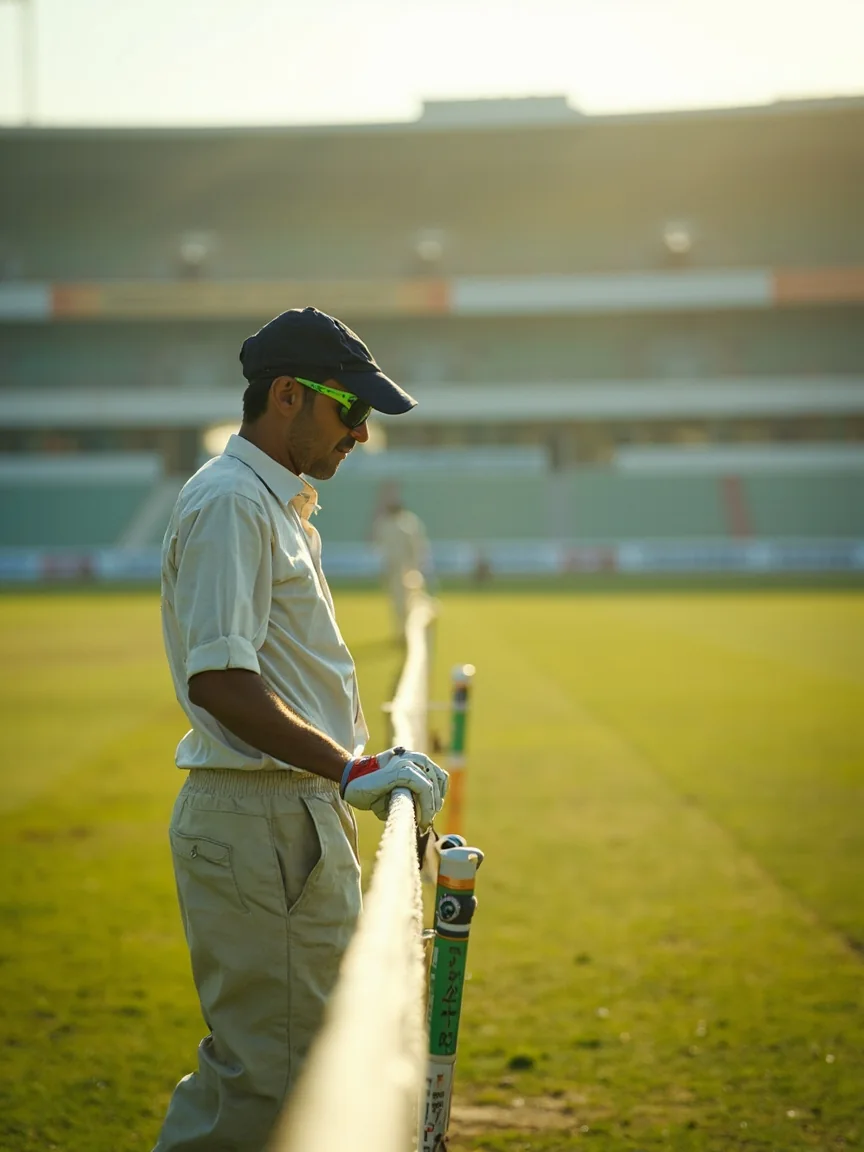
What we track for each venue
Surface behaviour
Dry, light turn, grass cover, bounce. The single most important factor for fantasy selection — drives whether spin or pace should be weighted higher.
Boundary size
Square and straight. The shorter the square boundary, the higher the top-order ceiling. The longer the straight, the more sixes hit over the leg side.
Average score
First and second innings averages across the last two seasons. Helps calibrate the expected total.
Dew forecast
Minor / moderate / heavy. Affects toss decision more than team selection — heavy dew usually favours chasing.
Wind
Affects straight-bat shots and slower-ball grip for spinners. Less decisive than boundary and surface but worth tracking.
Recent results
Last 4–6 matches at the venue. Recent form at the ground often diverges from team form.
Source and methodology
Venue data is sourced from publicly available match records, ground authority announcements, and post-match reports. Weather data is sourced from the India Meteorological Department (IMD) and the venue-specific forecast services used by the broadcast partner.
Average scores are computed across the last two seasons (2024–2026) and weighted by recency. Boundary sizes are measured at the start of the season and updated if the ground authority announces changes.
Each venue brief carries an "Updated" timestamp. If a venue has been resurfaced, the brief is re-baselined and the previous data is moved to a comparison section.
Stale data check
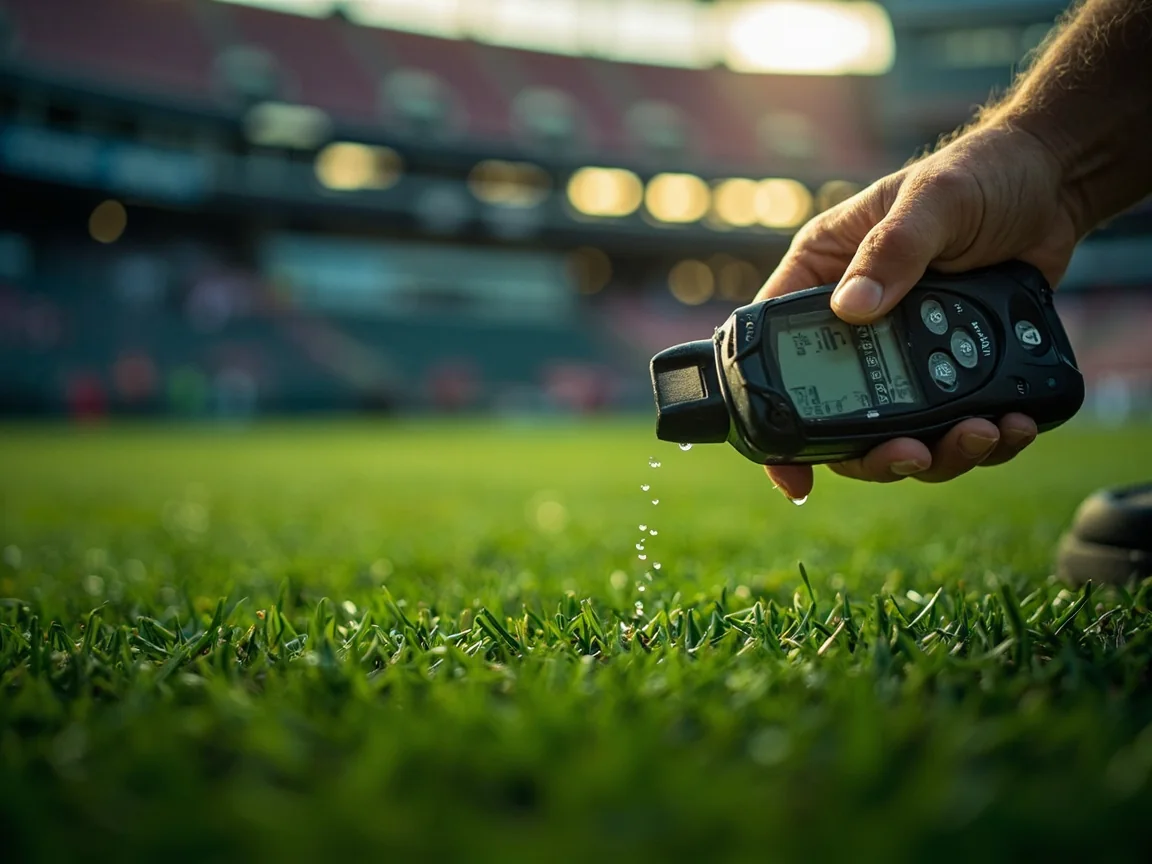
Before each fixture, the match-day desk checks the venue brief against the latest weather forecast and the post-match reports from the previous fixture at the same ground. If a venue read has materially shifted, a "Last reviewed" note is added to the brief.
Why surface behaviour matters more than recent form
Recent form is a lagging indicator. The venue brief is a leading one. A player in poor form at a flat ground is still a strong pick. A player in peak form at a slow turner is still a downgrade candidate.
The venue read should be the first input into your selection. The five factors we weight most heavily — boundary size, average score, surface behaviour, dew forecast, and wind — combine into a single venue profile that you can apply to every fixture at that ground.
Where the venue brief and the recent form disagree, the venue brief usually wins. The exception is when a player is genuinely in career-best form; in that case, the recent form can override a moderate venue concern.
How dew changes selection
No dew
Bat first or chase, the conditions are roughly equal. Captain order is closer to a coin flip. The pitch will hold its behaviour across the innings.
Light dew
The toss decision matters marginally. The chasing side has a slight edge in the second innings because the ball comes onto the bat better.
Heavy dew
The toss decision is decisive. Captains win the toss and bowl first almost universally. The chasing side has a meaningful edge.