2026 MLB trade deadline tracker: Rumors, news, analysis
The 2026 Major League Baseball trade deadline falls on August 3 at 6 p.m. ET, and the lead-up already has a confirmed deal on the board: the Angels have moved catcher Logan O'Hoppe and reliever Chase Silseth to the Rangers for infield prospect Angel Arredondo. Here is what is reported, what is being asked, and which clubs are signalling a buy or a sell.
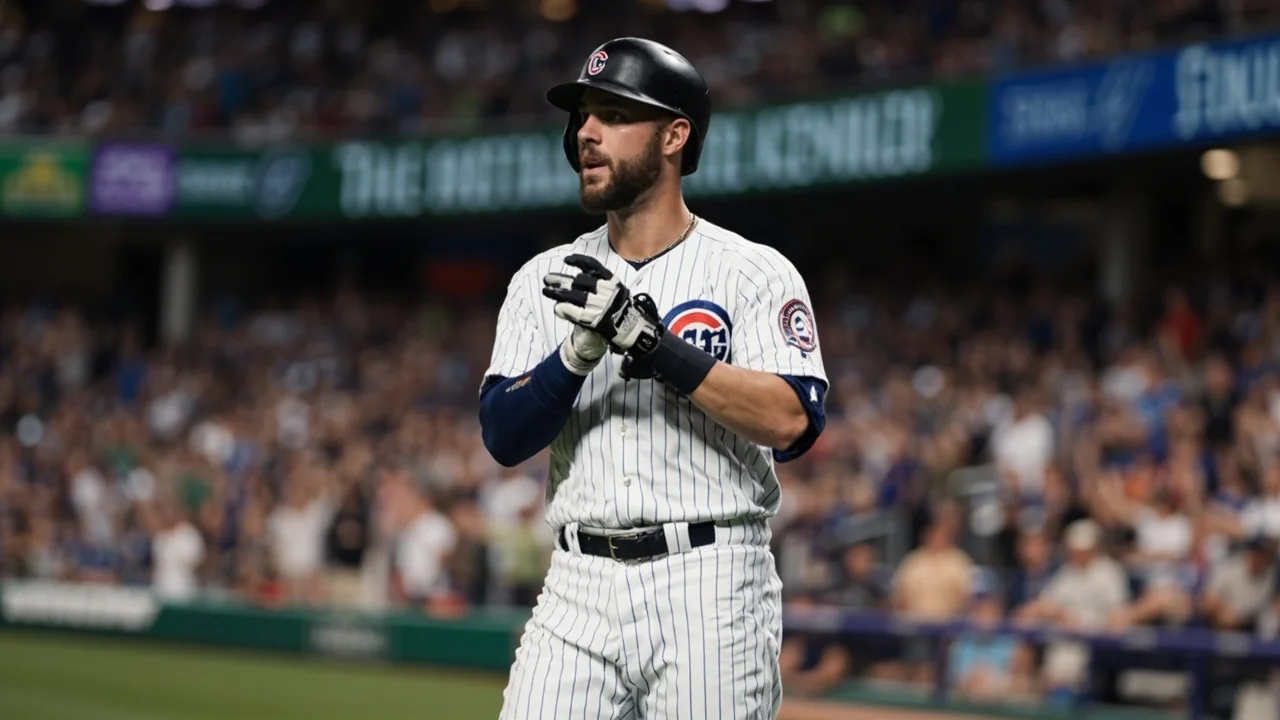
The clock, the calendar, and the one deal already on the books
The 2026 MLB trade deadline is scheduled for 6 p.m. ET on August 3, and the period leading into it has already produced a notable cross-division move. The Los Angeles Angels have traded catcher Logan O'Hoppe and reliever Chase Silseth to the Texas Rangers in exchange for infield prospect Angel Arredondo. The deal matters less for the names involved than for what it signals: the Angels are listening on the right pieces, and the Rangers are willing to move a young infield prospect to address the back of the bullpen and a catching need without dipping into their top tier of position-player prospects.
That single transaction sets the working frame for the next ten days. Sellers want major-league-ready pieces or upper-level prospects who can step into a 2027 role. Buyers want controllable innings, defence at premium positions, and contact from the right side of the plate. The Arredondo return is modest, but it is the kind of return that becomes the floor for rental relief pitchers and one-year controllable catchers over the next week.
New York Yankees: catching help, bullpen arm, and the question of another bat
The Yankees are publicly working through a stretch in which injuries have thinned their bench and shifted the front office's buy-sell calculus. The reported needs are threefold: catching help, a late-inning bullpen arm, and possibly another bat to cover for the players currently on the injured list. None of those needs is a surprise, and each carries a different market.
Catching is the deepest of the three. The list of plausible trade targets includes the Cardinals' Ivan Herrera, who has drawn interest from both the Yankees and the Red Sox, and a handful of second-tier options whose contracts and option status will shape the eventual return. The Yankees' preference is reported to be a right-handed bat who can also catch, which narrows the field but does not narrow it to a single name.
The bullpen picture is simpler. With the closer role settled and the leverage relievers identified, the front office is looking for a 7th- and 8th-inning arm who can absorb the middle innings without forcing the late trio into two-inning stints. The leverage market is thin and expensive; the middle-innings market is wider and friendlier.
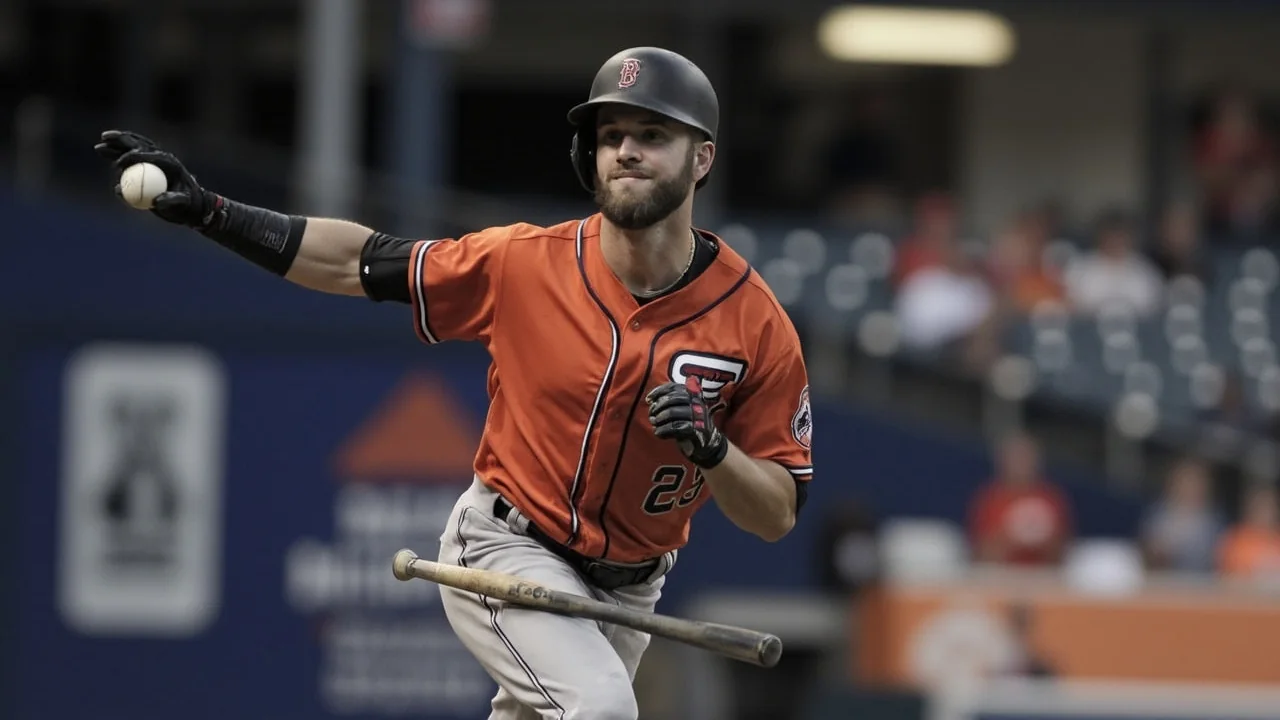
Chicago Cubs: prospect tier sets the asking price
The Cubs have signalled a clear framework for what they will and will not surrender. According to the reporting, the Cubs are willing to trade a higher-ranked prospect for a starting pitcher who comes with several years of team control, but they will offer a lower-ranked prospect for a rental. That two-tier pricing structure is not new, but it is unusually explicit for a front office that typically does not disclose its internal valuation in the public window.
The practical implication: a controllable starter (think: two more years after 2026) is going to cost a Cubs top-10 prospect, while a rental starter (any arm who is a free agent after the season) will cost a Cubs top-20 to top-25 prospect. The Cubs do not appear to be in the market for half-measures, and they are not signalling that they will stretch into their top five for anything short of a long-term rotation anchor.
Toronto Blue Jays and the George Springer question
George Springer was batting .299/.347/.537 over his previous 27 games heading into the deadline week, which is the kind of line that turns a veteran outfielder into a buy-low candidate for a contender. According to industry reporting, the Houston Astros have been identified as a possible trade fit, which would close a circle on the 2017 sign-and-trade that sent Springer north. Whether Houston has the prospect capital and the willingness to use it on a 36-year-old outfielder is a different question.
The Springer angle matters less for what it tells us about Houston's deadline intent than for what it tells us about Toronto's. The Blue Jays are listening on the right side of the ledger, and a Springer deal would be the cleanest way to convert a hot streak into a controllable return before the deadline closes.
St. Louis Cardinals: everyone is in play, with two exceptions
The Cardinals have reportedly been willing to hear offers on their major-league roster except for two names: Jordan Walker and JJ Wetherholt. That is a wide-open posture from a front office that, in past cycles, has been more selective about which veterans to expose. The two protected names are also a tell. Walker is the young corner outfielder the Cardinals have been developing since 2022; Wetherholt is the shortstop who rose through the minors as the system's best-position-player prospect.
The two names being made unavailable suggest that the Cardinals are positioning for a 2027 reload rather than a 2026 teardown. Walker is on a pre-arbitration contract and under club control through 2029; Wetherholt is pre-arbitration with a longer runway. Trading either would not fit the framing.
Ivan Herrera has drawn interest from both the Yankees and the Red Sox, which is consistent with the catching market the Yankees have been working through. A controllable, right-handed-hitting catcher who is pre-arbitration is exactly the kind of piece that draws two- and three-team bidding, and the Cardinals have the leverage to extract an upper-level prospect in return.
Baltimore Orioles: 52-56, 18% playoff probability, and the obvious sell
The Orioles were 52-56 entering the deadline window with an 18 per cent FanGraphs playoff probability. That is not a buy-side posture, and the obvious trade pieces, if Baltimore sells, are Trevor Rogers and Taylor Ward. Rogers is the left-handed starter who has been a buy-low candidate for contenders all season; Ward is the outfielder who has carried the lineup in stretches and would clear a corner-outfield spot for a younger option in 2027.
The interesting question is not whether Baltimore sells but how aggressively. A soft sell — moving Rogers and one or two relievers — keeps the core intact for 2027. A hard sell — moving Ward and one or two controllable bats — would mark a more decisive reset. The 18 per cent number is the dividing line. At 25 per cent and above, the front office can talk itself into the buy-side window. Below 15 per cent, the conversation shifts. The Orioles are sitting close to that line.
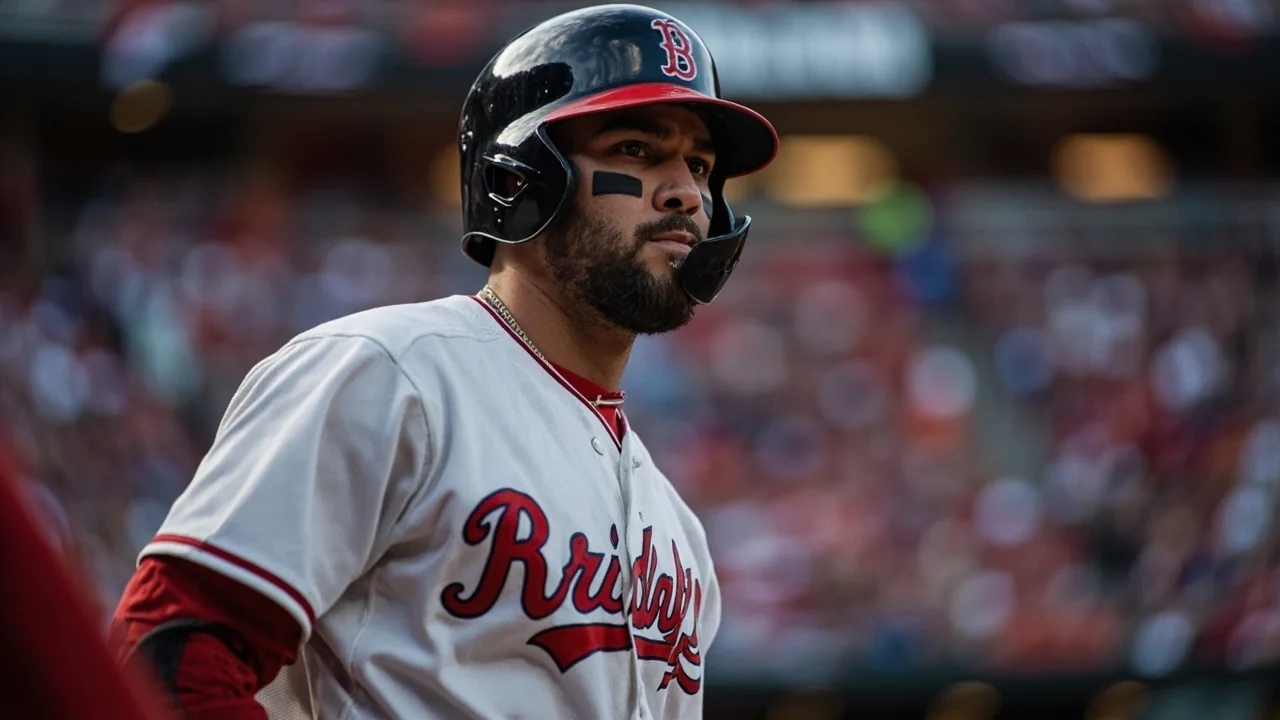
Seattle Mariners: sitting three games below .500 and still planning to add
The Mariners were sitting three games below .500 at the deadline checkpoint but planned to add, with an impact right-handed bat and bullpen help among their stated needs. The right-handed bat is the harder of the two to acquire on the current market. The middle-of-the-order rental market is thin, and the controllable right-handed bat market is even thinner. The Mariners' front office has a history of identifying the second-tier piece that the rest of the league undervalues, and the deadline is a natural setting for that approach.
The bullpen need is the easier ask. The leverage market has a handful of controllable arms who can clear the seventh and eighth innings without forcing the closer into a two-inning role. The Mariners are not in the top tier of buyers for those arms, but they are credible enough to be in the bidding for a second-tier controllable reliever.
Rental versus control: how the ask shapes the deal
The rental-versus-control split is the single biggest variable in the next ten days. A player with one year of team control after 2026 will return a top-15 to top-20 prospect from a contender with a stocked system. A player with two or more years of control will return a top-5 to top-10 prospect. A pure rental — any player who is a free agent at season's end — will return a top-25 to top-30 prospect, and sometimes only a player to be named later.
This is the frame against which the Cubs' two-tier pricing structure should be read, and the frame against which the Orioles' decisions on Rogers and Ward will be measured. The Cardinals' position on Walker and Wetherholt is the frame's outer boundary: even at peak prospect value, those names are not on the table.
The leverage reliever market: thin, expensive, and unavoidable
The leverage reliever market is the most consistently oversupplied pocket of buyer demand in any trade deadline window. The Yankees need a bullpen arm. The Mariners need a bullpen arm. The Cubs, depending on how the rotation shapes up in the next ten days, may need a bullpen arm. The supply side has fewer names than the demand side, and the prices will reflect that gap.
The interesting wrinkle this year is the number of controllable leverage arms who could realistically be on the market. Two or three names that would have been unavailable in past cycles are reportedly on the block, and the combination of supply expansion and demand saturation will shape the eventual return. A controllable leverage reliever is the closest thing the deadline market has to a sure-thing asset, and the asking prices for those arms are climbing.
Deadline day: what to watch in the final six hours
The final six hours of the deadline, from noon to 6 p.m. ET on August 3, are the period in which the bulk of the announced deals cluster. The reasons are procedural: physicals take time, medical-record reviews take time, and the formal announcement of a Major League trade requires the Commissioner's Office sign-off. Deals that are agreed to after 4 p.m. ET often do not become official until the next morning, and deals agreed to after 6 p.m. ET do not become official at all.
The practical implication for anyone tracking the deadline is that the public news cycle will run ahead of the official transactions. A reported agreement on August 3 at 5 p.m. ET is not the same as an officially announced deal. The two-hour window from 4 p.m. to 6 p.m. is the busiest, and the hour after 6 p.m. is the period when the front offices stop calling and start explaining to their general managers why they did or did not close.
What changes for the contenders and the sellers
For the contenders, the deadline resolves the question of who is in the 2026 race. The Yankees, Mariners and Cubs are all in different stages of that resolution, and the deals they do or do not make will shape their playoff odds. A Yankees deal for a controllable catcher and a leverage reliever raises their ceiling by two to three wins. A Mariners deal for a right-handed bat and a leverage arm raises theirs by one to two. A Cubs deal for a controllable starter raises theirs by three to four, and that is the largest single move on the table.
For the sellers, the deadline resolves the question of what the next cycle looks like. The Orioles' decisions on Rogers and Ward shape whether 2027 is a rebuild or a retool. The Cardinals' decisions on every name except Walker and Wetherholt shape whether 2027 is a soft reload or a hard pivot. The Blue Jays' decision on Springer shapes whether the front office is willing to convert a hot streak into a prospect at the cost of admitting the season is over.
A short board of the names to watch
For readers tracking the deadline, the short list of names to watch between now and August 3 includes Trevor Rogers and Taylor Ward (Orioles sell pieces), Ivan Herrera (Cardinals catcher with two-team interest), George Springer (Blue Jays outfielder on a hot streak), and the unnamed Cubs targets on the controllable starter market. The Yankees' bullpen target is the single most-watched piece on the buy side, and the Cardinals' framing on Walker and Wetherholt is the single most-watched piece on the sell side.
None of these names is guaranteed to move. The deadline window is the most volatile ten days of the Major League calendar, and a name that is publicly on the block on July 25 can be pulled off the board by July 30 if the ask does not meet the bid. The names above are the names that the public reporting has identified as in play; whether they actually move depends on the conversations that are not yet public.
What to watch next
The two markers to watch between now and August 3 are the prospect tiers being asked in public and the buy-sell signals from the clubs sitting close to the playoff cut-line. The Orioles' 18 per cent FanGraphs number will move, and the direction it moves will signal the front office's intent. The Cardinals' willingness to expand the available-list beyond the current protected two will signal whether 2027 is shaping up as a soft reload or a hard reset.
For a fuller breakdown of how Major League front offices set prospect tiers and how the rental-versus-control framing shapes the eventual return, the Baseball desk at iplplaynow covers the deadline window, the prospect market and the buy-sell calculus in more depth. The next update to this story will land on August 1, two days before the deadline, with the names that are still in play and the asks that are still on the table.
For deadline watchers
One deal on the books
The Angels have moved Logan O'Hoppe and Chase Silseth to the Rangers for infield prospect Angel Arredondo. The return is modest, and it sets the floor for rental relievers and one-year controllable catchers.
Three clubs to track
Yankees (catcher, bullpen, bat), Cubs (controllable starter with prospect tier), Mariners (right-handed bat, bullpen) — the three most active buyers on the public reporting so far.
Three names to watch
Ivan Herrera (Cardinals catcher with two-team interest), George Springer (Blue Jays outfielder on a 27-game hot streak), Trevor Rogers (Orioles starter if Baltimore sells).
About this story
This story is sourced from ESPN's live tracker of the 2026 MLB trade deadline, as syndicated via abc30.com. The confirmed deal, club needs, prospect tier framing and the names in play are taken from the published source. Where the source frames an unconfirmed read as a possibility, we have reported the framing and recommended treating the name as in-play rather than imminent. Substantive errors are corrected with a dated note.
All news Corrections log